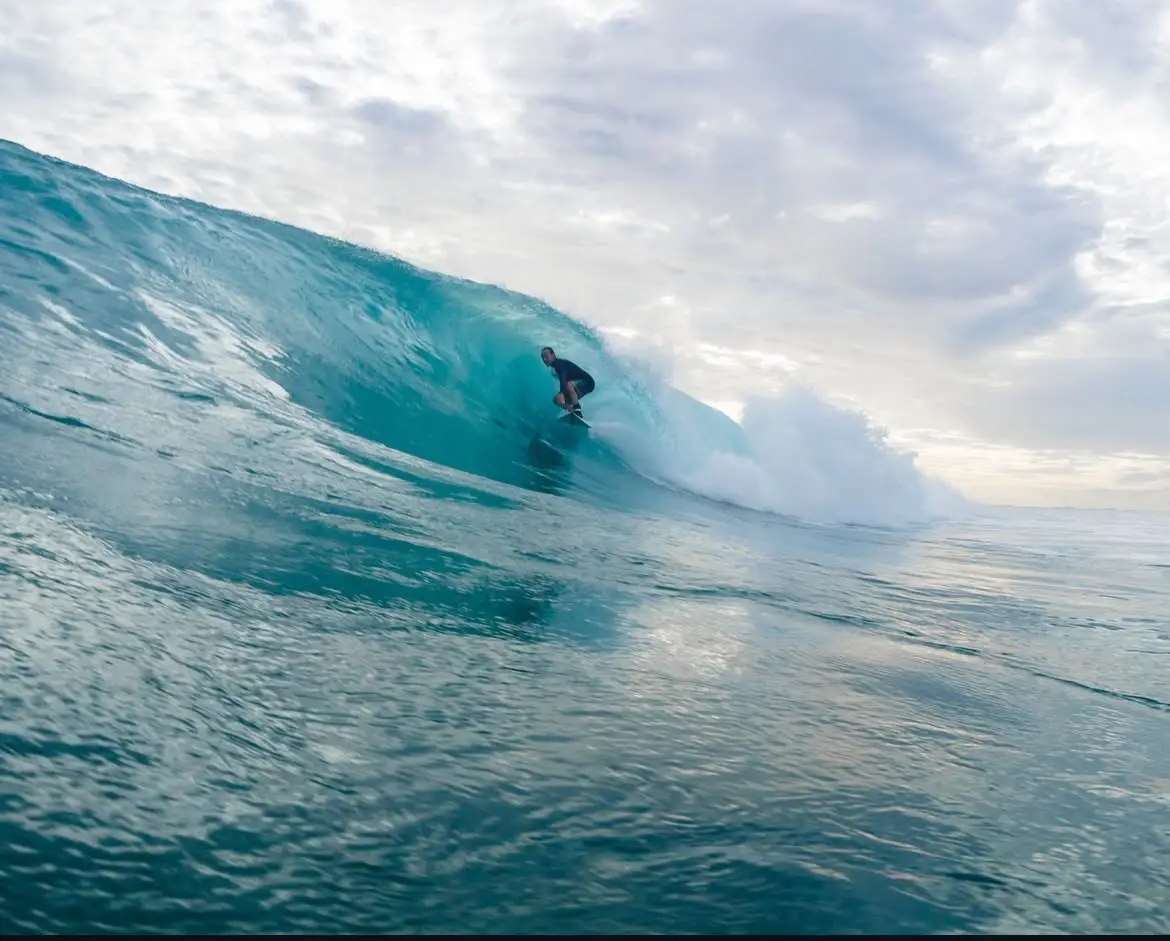
Dozens of breaks. No fixed route.
Whole chain in playRoute set dailyZero-crowd priority
How we choose where to go
We do not run a fixed itinerary. Pak Iwan grew up on these boats and has spent more than twenty years learning how each reef in the chain takes a swell. Every evening he and the surf guide read the forecast, weigh the wind, and decide where the boat should be at first light. Then we move while you sleep.
That overnight repositioning is the quiet advantage of a charter. You wake up anchored at a wave, coffee on, and the first call of the day is made from the deck, looking at the actual line-up rather than a chart. And if a reef already has boats on it, we usually keep going. Ten guests on an empty wave beats forty on a famous one, and with the whole chain to work with, we can nearly always find that.
The three waves below are the names everyone knows. They are a fraction of what we surf in a trip.
Macaronis
Wave: LeftBottom: ReefSuits: Intermediate +Tide: Works on almost any
Some call it the most mechanical left in the world, and after two decades we have not found much to argue with. It bends into a bay on North Pagai and does the same thing every time: a quick barrel off the take-off when there is size, then a long, tapering wall that seems built for turns. It breaks on almost any tide and handles more wind than most waves out here, which is why it is so rarely unrideable.
Small Macaronis is one of the best waves anywhere for an improving intermediate. Solid Macaronis is fast, hollow and serious. It is popular for good reason, so we time our sessions — dawn, or after the fleet has moved on.
Lance's Right (Hollow Trees)
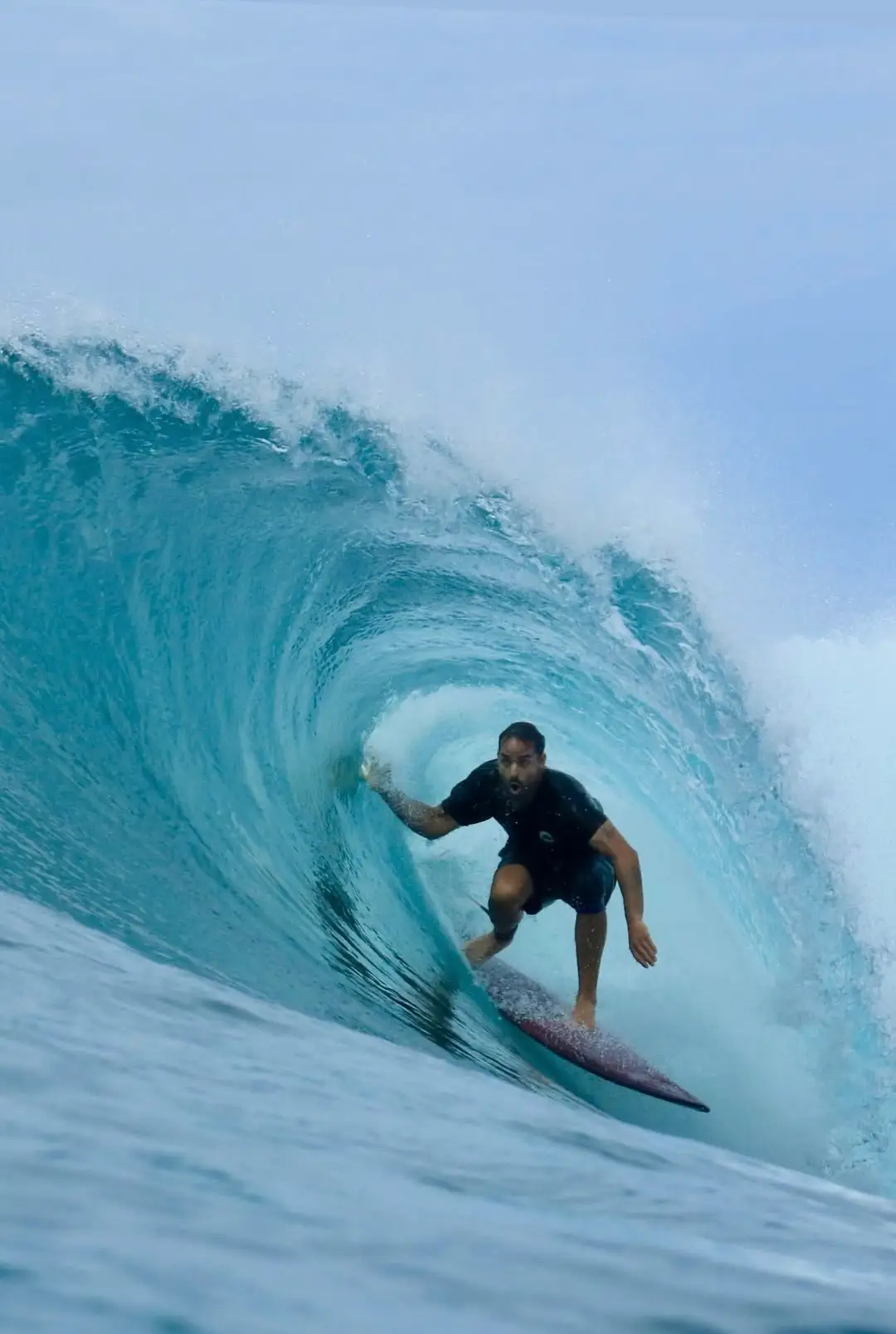
Wave: RightBottom: Shallow reefSuits: Confident intermediate to advancedBest tide: Mid to high
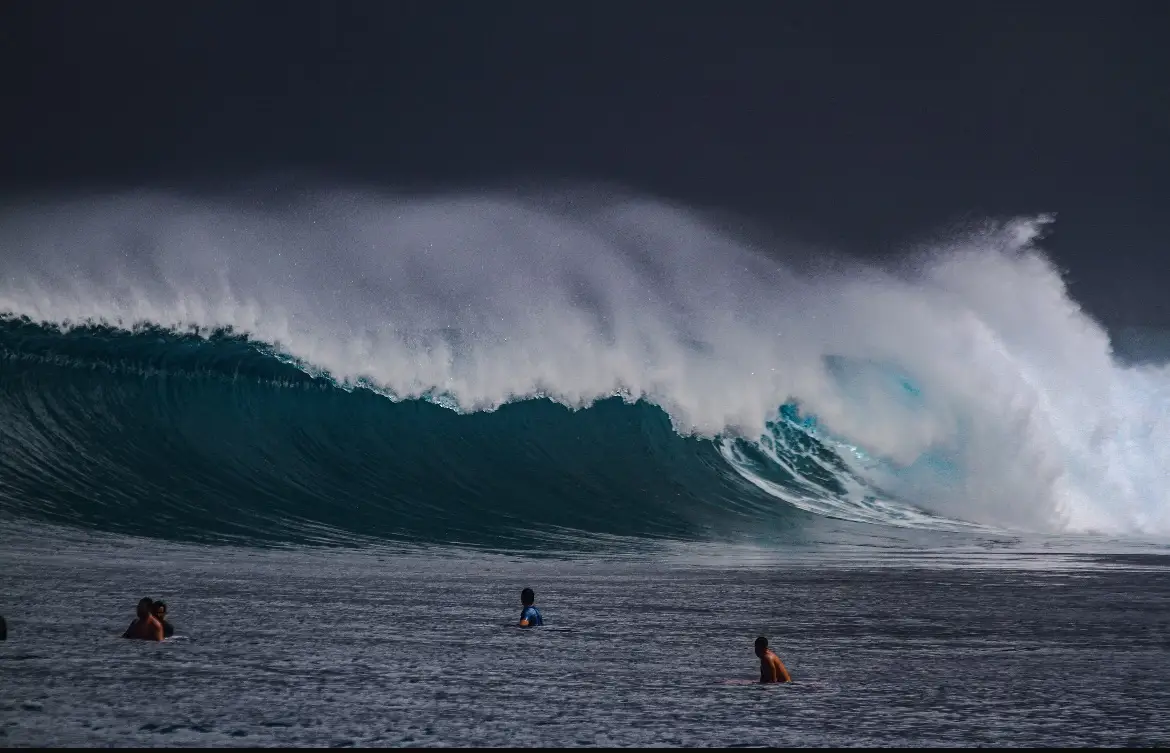
The wave in the photographs. HT's sits on the southern coast of Sipora and throws a square right-hand barrel over a shallow shelf of reef. It looks perfect from the deck, and it is — but it is not casual. The end section runs over the slab locals call the surgeon's table, and hesitation there gets punished. We surf it from mid tide up, when there is water over the reef.
On smaller days a confident intermediate can pick off shoulders and come in grinning. When a proper swell arrives, it belongs to surfers who know their way around a barrel. We will tell you honestly which day is which.
Green Bush
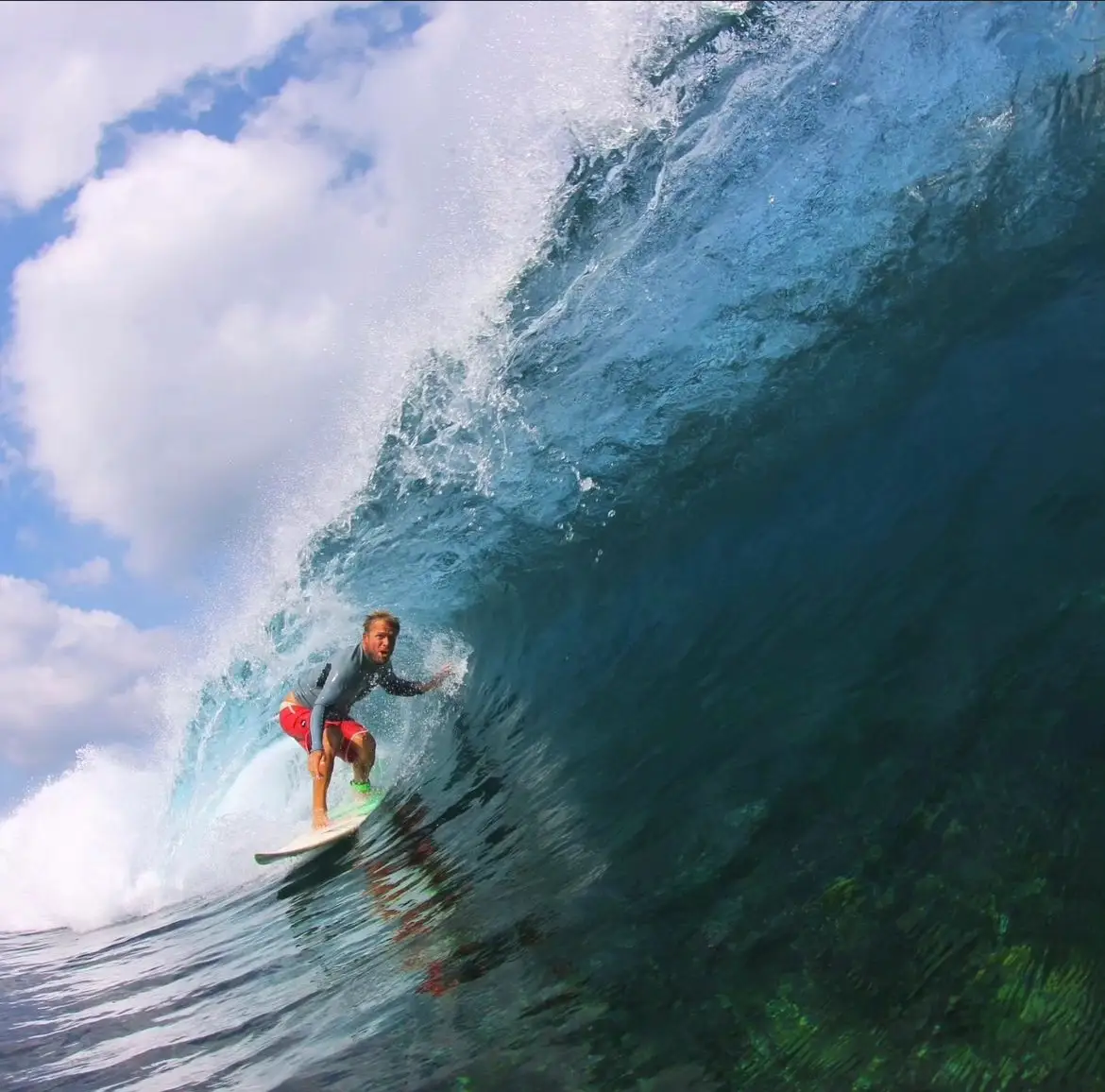
Wave: LeftBottom: Shallow live coralSuits: Advanced onlyCharacter: Heavy, round barrel
The heaviest wave we anchor at. Green Bush is a left in the southern Pagais that detonates over a shallow ledge of live coral: thick lip, round barrel, short and violent, with no shoulder to hide on. On the right west swell and tide it is one of the roundest tubes in Indonesia. When conditions are not right, we simply do not bother.
This one is for advanced surfers only, and we say so plainly before anyone paddles out. Everyone else watches from the top deck with a camera and a cold drink, which is a fine morning in itself.
And everything between
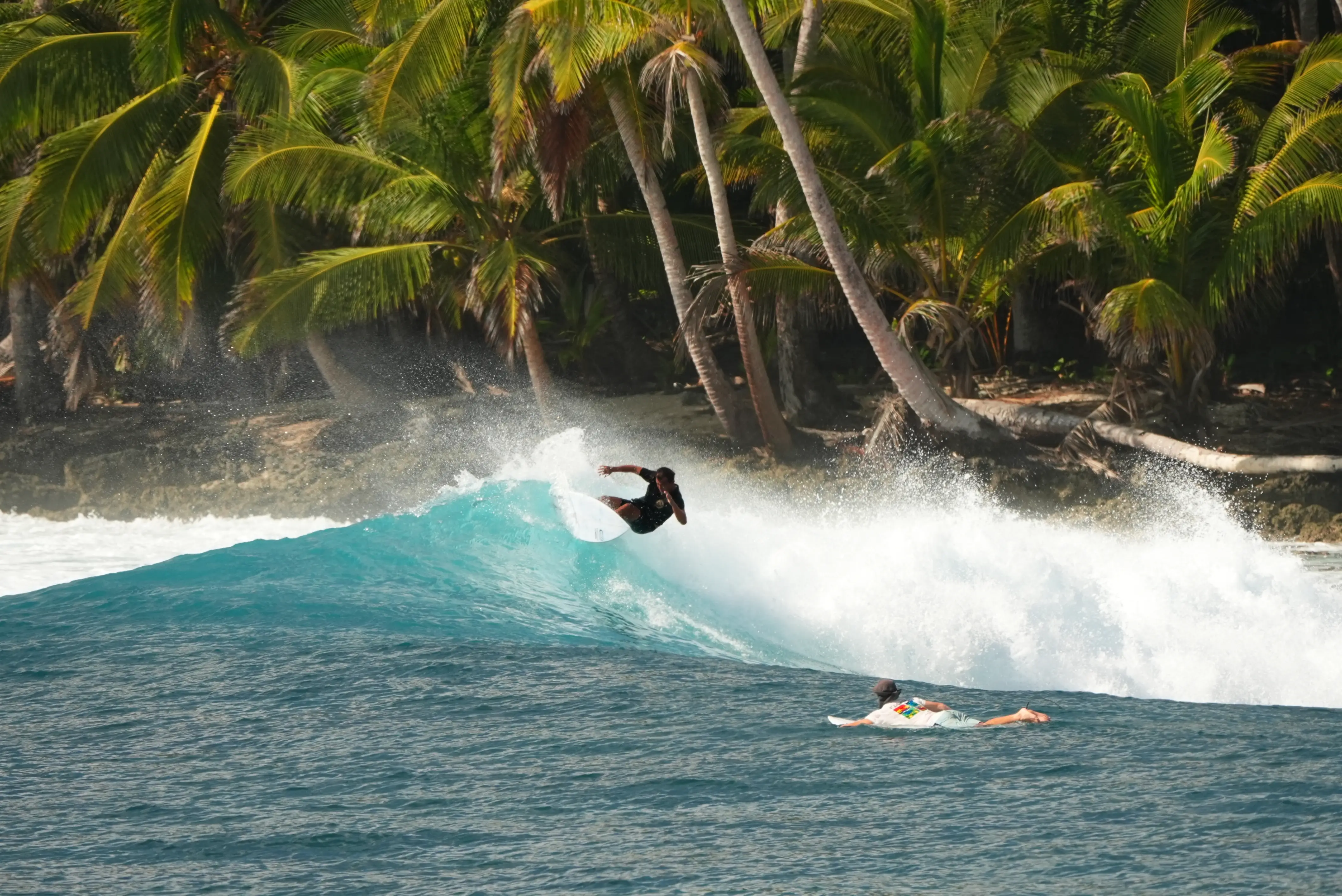
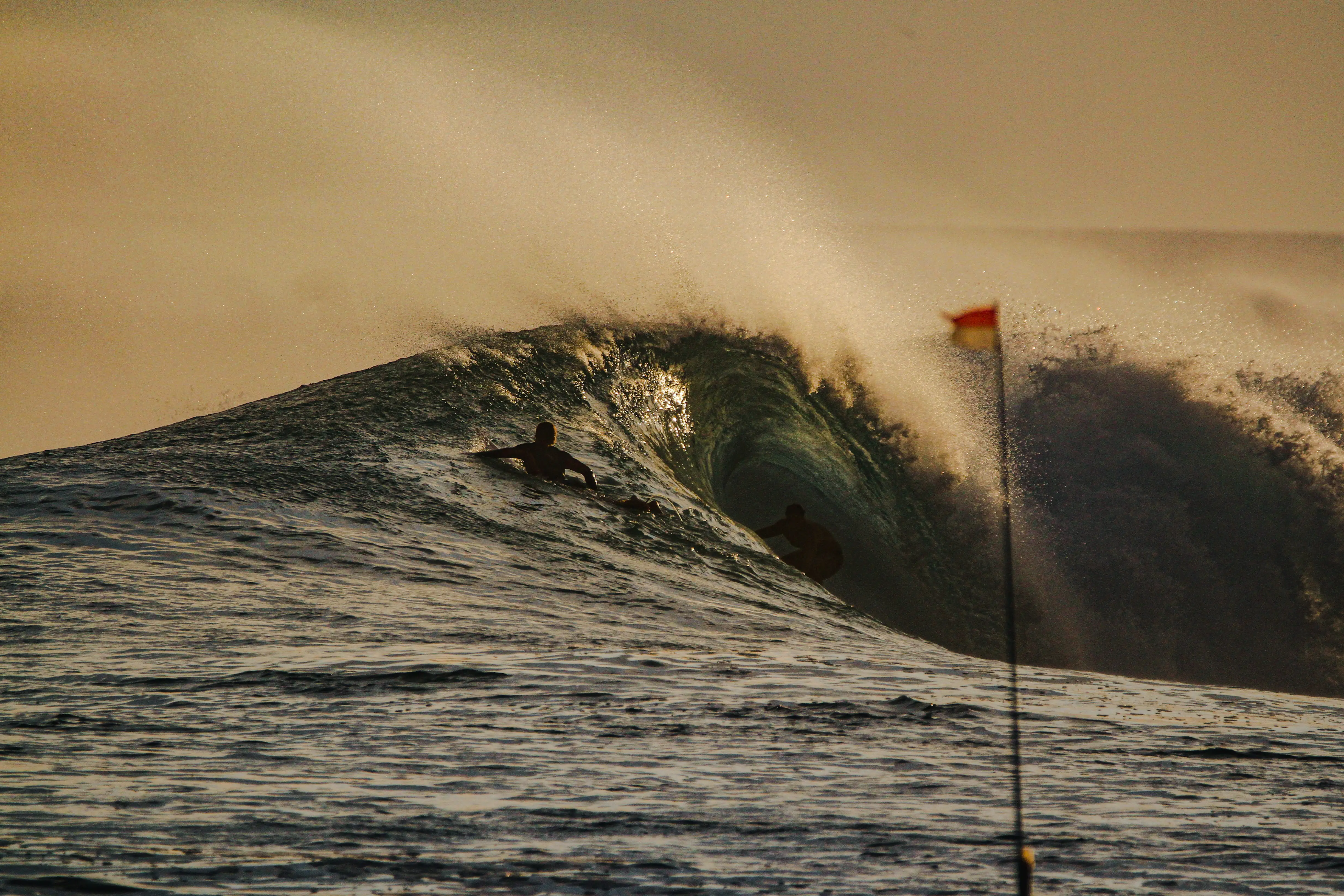
Three names do not describe a season out here. The Mentawai chain holds dozens of breaks, and we roam all of it. In the north, the Playgrounds area packs lefts and rights of every temperament into a small stretch of islands — there is nearly always something working, whatever the wind is doing. Sipora has far more than HT's. The southern islands hold long walls and quiet corners that rarely make the magazines.
The point of the boat is that we are not married to any of it. A wind that ruins one reef is offshore at another an hour's steam away, and the water between the famous waves is where the empty sessions live.
Seasons
April to October is the prime season. Long-period south swells arrive from the Indian Ocean with real consistency, and the named waves do what they are known for.
November to March runs smaller and quieter: fewer boats, glassy mornings, and the same reefs at a friendlier size. It is a good window for intermediates, and for anyone who values empty water over big numbers. We sail year round, and there is always somewhere to surf.
Find your window